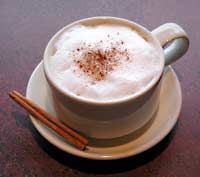
In the early 1960s specialty coffee shops in the United States were virtually unknown, but today, in many U.S. cities, you see them everywhere. According to this article in Business Week Online, the well-known specialty coffee outlet Starbucks has grown from an initial 17 shops in Seattle in 1987 to well over 5,500 locations worldwide.
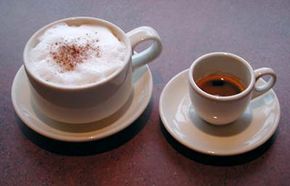
Today, you can buy an espresso almost anywhere, from specialty sit-down coffee shops to small drive-thru buildings or trailers. Lots of cafeterias, book stores and other establishments now offer espresso drinks and most malls have espresso carts or kiosks. There are many assorted flavors of syrups you can add and a multitude of different ways to enjoy your espresso. Latte, cappuccino, Americano… What is the fascination with these little cups of very strong coffee?
Advertisement
In this article, we'll examine what espresso is, and what factors are taken into consideration to make a "perfect" espresso consistently time after time.