For cavemen, the raw food diet was nothing new. More than 1.5 million years ago, prehistoric people had no fire -- everything they ate was raw, even the mastodons they sometimes managed to catch. So the raw food diet wasn't just a popular diet -- it was the only diet. And then humans harnessed fire, and all things culinary changed.
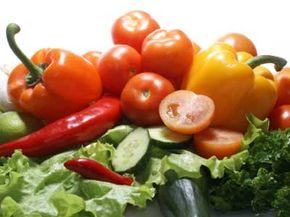
Today, supporters of the raw food diet believe that a diet of raw, unprocessed natural fruits, vegetables, nuts, seeds and other supplements (with little or no meat) provides the most vitamins and nutrients of any diet and also helps the body detoxify itself naturally [source: DietTV]. This should make it the healthiest, easiest and best diet for everyone, right? Maybe for some, but the raw food diet can be taken too far.
Advertisement
A close cousin to veganism, which forbids the consumption of any animal-based food, like meat and its byproducts (cheese, yogurt, eggs), raw foodism follows basic guidelines but can be tempered with the addition of fish or eggs, depending on the raw foodist's preference. Because of its focus on food that is still in its natural state, or "alive," the raw food diet is also sometimes referred to as the living food diet [source: Sunfood].
Many crash diets involve a few days, weeks or months of restricted eating, but the raw food diet goes beyond a relatively short time commitment to an investment in a lifestyle of consciousness and dedicated eating habits [source: Conscious Choice].
Fad diets have sprung up through the centuries, from the Puritans to Dr. Atkins, but are they really all that they're "cooked up" to be [source: Kaufman]? And is the raw food diet really as healthy (and safe) for you as it claims to be? In this article, we'll sample the basic menu of raw foods, cover the benefits and risks of such a restrictive diet, and give you a taste of what it means to be a raw foodie. Let's start with the menu.
Advertisement