
Punching Down and Finishing the Bread
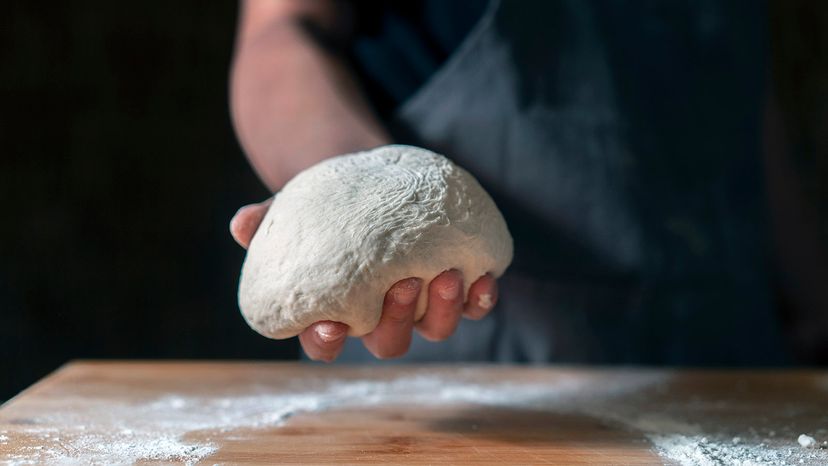
Now that your dough has doubled in size, it's time to get out your aggression and punch it back down. That's because the dough is full of air pockets. To work out the excess carbon dioxide and redistribute the yeast, simply "punch" the dough down with your fist. (A side benefit is that it helps people feel more calm after a stressful week.)
Step 1: Punching Down the Dough
To punch down the dough for baking bread:
Advertisement
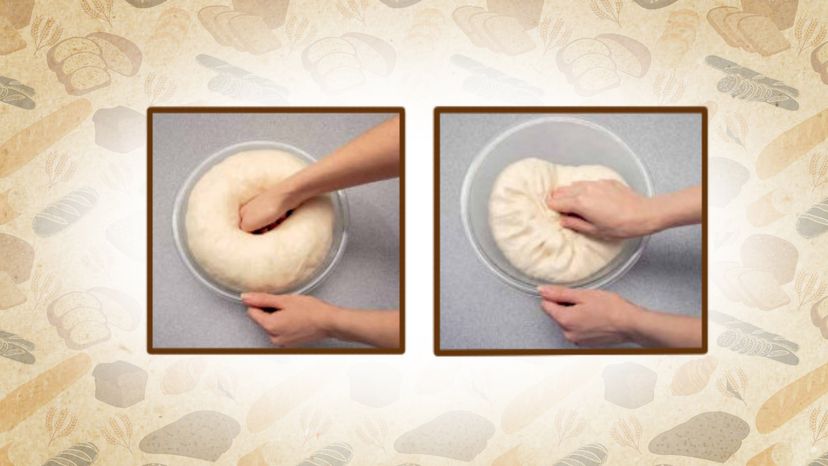
- Push down the center of the dough with your fist. (Soft, sticky dough is stirred down with a wooden spoon rather than punched.)
- Push the edges of the dough into the center using your fingertips. The dough is now ready to rise again or to shape, depending on the bread recipe you are using.
Step 2: Shaping and Finishing the Dough
Most recipes call for rolling, cutting or shaping the dough after it has risen. This provides the bread with a structure — which you can shape to your desires.
To shape and finish dough for baking bread:
- Lightly flour the rolling surface and rolling pin before working with the dough. If only a portion of the dough will be used at a time, keep the remaining dough covered with a towel to keep it from drying out.
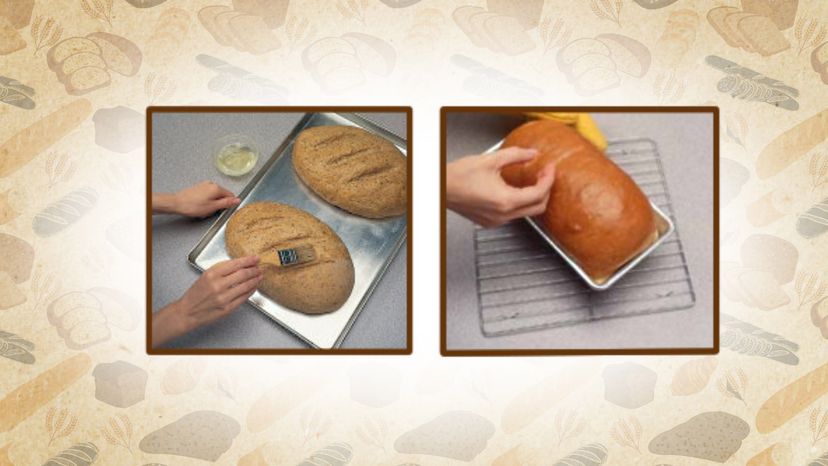
- To change the look and texture of the crust, you can brush on a variety of ingredients either before or after baking.
- For a shiny crust, brush with one egg white beaten with 1 tablespoon water before baking.
- For a soft crust, brush melted butter or margarine over the crust immediately after baking.
- For a crisp crust, mist unglazed breads quickly with water several times during the first 10 minutes of baking.
- Bake bread as specified in recipe.
Step 3: Testing for Doneness
Once your bread is baking, you can sit back, chill out and enjoy the blissful aromas wafting from your oven. But don't get too relaxed — you need to make sure not to overcook your creation by testing for doneness.
To test breads for doneness when baking:
- To test breads for doneness, tap the tops of the loaves with your fingers or a wooden spoon. A hollow sound means the bread is done; a dull thud means that the bread is moist inside and requires more baking. Breads baked in loaf pans will shrink away from the sides of the pans slightly.
- Remove yeast breads from pans immediately and cool completely on wire racks to prevent a soggy bottom.