Like many scientific discoveries, vitamin B2 was discovered almost accidentally. In the 1920s and 1930s, nutritionists were searching for a growth-promoting factor in food. Their search kept turning up yellow substances. Meanwhile, biochemists who were busy trying to solve the mysteries of metabolism kept encountering a yellow enzyme. The yellow substances in food and the enzyme that the researchers kept encountering were all riboflavin. In this article, we'll learn why vitamin B2, or riboflavin, is important and how to get enough of it in your diet. Here's a preview.
- What Is Vitamin B2?
Vitamin B2, or riboflavin, works together with the family of B-complex vitamins to provide the body with energy by metabolizing carbohydrates, fats, and proteins. It also helps in the regeneration of glutathione, an enzyme that rids the body of free radicals. - Benefits of Vitamin B2
Riboflavin may be able to decrease the number of migraine headaches a person has. It might also help to prevent cataracts. Riboflavin has helped to increase iron levels for those suffering from iron-deficiency anemia. - Foods That Contain Vitamin B2
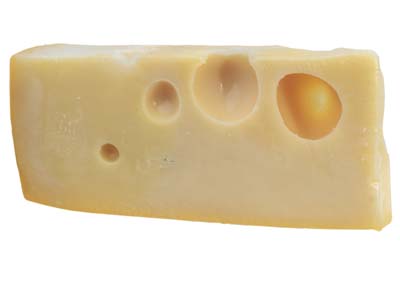
Dairy products, such as milk, cheese, and yogurt, are excellent sources of riboflavin. Some meats and leafy green vegetables are also rich in this nutrient. "Enriched" breads and cereals have had riboflavin added to them. - Vitamin B2 Deficiency
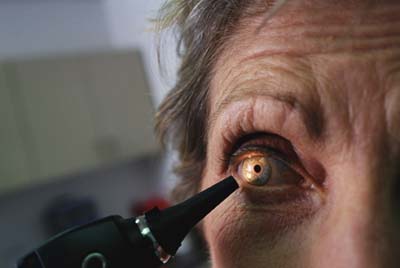
Hypersensitivity to light can be a sign of a riboflavin deficiency, which causes the skin to become greasy, scaly, and dry. A riboflavin deficiency might contribute to cataracts, so those who have suffered from cataracts in the past should consider a riboflavin supplement.
- Vitamin A, or retinol, plays a vital role in vision. Learn more in How Vitamin A Works.
- A vitamin B1, or thiamin, deficiency results in the disease beriberi. Learn more in How Vitamin B1 Works.
- Vitamin B3, or niacin, acts as a coenzyme, assisting other substances in the conversion of food into energy. Learn more in How Vitamin B3 Works.
- Vitamin B5, or pantothenic acid, can be found in all living cells and in all foods. Learn about its importance to your diet in How Vitamin B5 Works.
- Vitamin B6 is actually three substances, pyridoxine, pyridoxamine, and pyridoxal, that work to metabolize protein and amino acids. Read more in How Vitamin B6 Works.
- To learn about the many vitamins in our diet, how much you should be eating, and where to find them, go to our general Vitamins page.
- Find the best prices on vitamin B2 supplements.
This information is solely for informational purposes. IT IS NOT INTENDED TO PROVIDE MEDICAL ADVICE. Neither the Editors of Consumer Guide (R), Publications International, Ltd., the author nor publisher take responsibility for any possible consequences from any treatment, procedure, exercise, dietary modification, action or application of medication which results from reading or following the information contained in this information. The publication of this information does not constitute the practice of medicine, and this information does not replace the advice of your physician or other health care provider. Before undertaking any course of treatment, the reader must seek the advice of their physician or other health care provider.
Advertisement