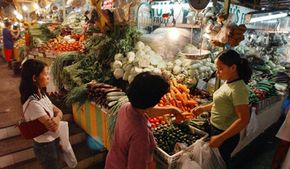
Local grocery stores and farmers' markets now stock a wider variety of fresh fruits and vegetables than ever. Consumers can easily purchase food that is certified United States Department of Agriculture (USDA) organic, locally grown or genetically modified. But with so many options, how do we choose the best product? While both organic and locally grown food can be better than conventionally grown food for the environment and for our health, they also have their own drawbacks. Deciding whether to buy organic or locally grown food is a personal choice based on health concerns as well as environmental and social responsibility.
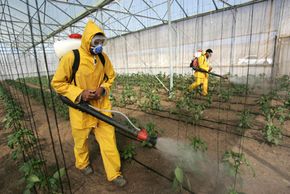
Organic food is grown on farms committed to environmentally friendly agricultural methods. In order to label produce as organic, these farms must meet government standards. However, when organic food travels long distances to market -- travel known as food miles -- it creates pollution that sometimes outweighs the positive environmental effects of organic farming.
Advertisement
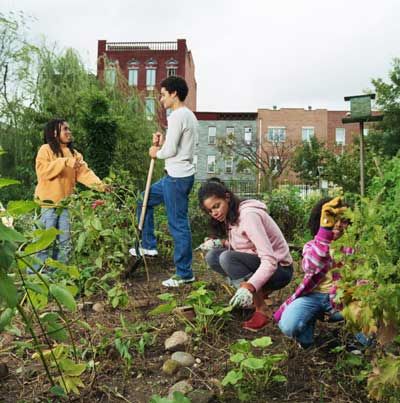
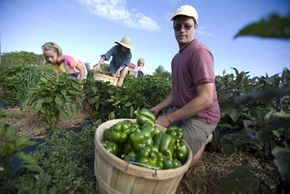
Alternatively, food grown locally is fresh and seasonal. If you've ever had a vegetable garden, you know that the best foods are the ones that don't sit on a shelf waiting for you to eat them. Buying local food also allows you to help your community's economy and helps reduce the environmental costs associated with food miles. However, local food is not necessarily grown with organic methods.
The decision to buy organic or local foods is not a simple one. In this article, we'll explore the pros and cons of both options.
Advertisement