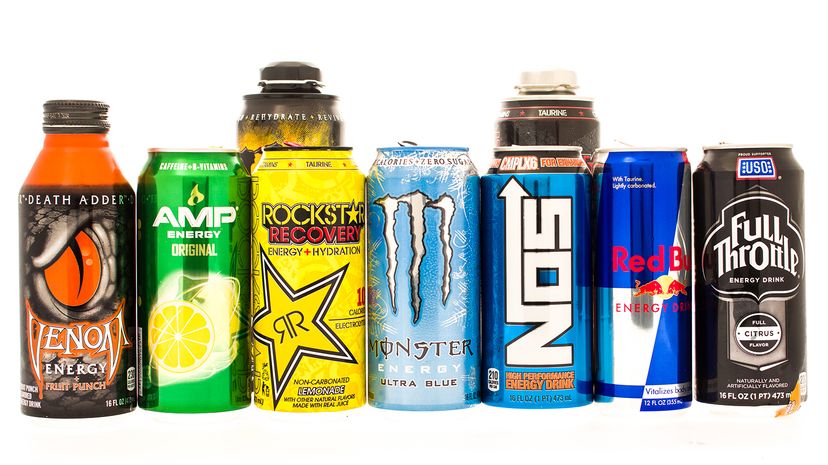
The Title of Highest-Caffeine Energy Drink Is a 4-Way Tie

By: Elena Tralwyn  | 
Which one are you grabbing? Keith Homan / Shutterstock

Energy drinks promise quick alertness and a powerful jolt of energy, but some deliver far more caffeine than others. When people search for the highest-caffeine energy drink, they usually want to know which canned beverages pack the strongest stimulant punch.

Caffeine is a natural stimulant found in coffee beans, tea leaves and cacao. It works by blocking adenosine receptors in the brain, a chemical signal that normally promotes sleep. By interfering with that signal, caffeine can increase alertness, improve endurance performance and temporarily reduce feelings of fatigue.

Advertisement

But how much caffeine is too much? The U.S. Food and Drug Administration (FDA) has cited 400 milligrams a day as an amount not generally associated with negative effects for most adults. Consuming more caffeine than that can trigger unpleasant symptoms such as insomnia, anxiety, rapid heartbeat and jitteriness.

Here are some of the energy drinks with the highest caffeine content currently available.

Advertisement

4 Energy Drinks With 300 mg Caffeine

1. Bang Energy

Bang Energy is often cited as one of the highest-caffeine energy drink options on the market. A standard 16 fl oz can contains about 300 mg of caffeine.

This sugar-free canned drink is known for delivering a powerful punch of energy and comes in nine bold flavors. The brand is especially popular among fitness enthusiasts looking for more caffeine before workouts (and students powering late-night study sessions).

Advertisement

With 300 mg of caffeine per serving, a single can already approaches the FDA-cited 400 milligrams a day level for most adults.

2. Celsius Heat

Celsius Heat is another high-caffeine beverage designed for performance and intense exercise. Each 16 fl oz can contains about 300 mg of caffeine.

Marketed with thermogenic ingredients and B vitamins, Celsius Heat is intended to support workouts while boosting alertness and energy levels. The drink is often promoted for helping burn body fat during exercise.

Because the caffeine content is so high, moderate consumption is recommended to avoid unpleasant symptoms such as anxiety or sleep disruption.

3. Rockstar Xdurance

Rockstar Xdurance also delivers about 300 mg of caffeine in a 16 fl oz serving. That level places it among the strongest widely available energy drinks.

These beverages are typically marketed to athletes and high-intensity training enthusiasts. The formula often includes electrolytes, B vitamins, and flavor options designed to appeal to energy drink consumers seeking a strong stimulant boost.

4. C4 Ultimate Energy

C4 Ultimate Energy is another drink known for its strong stimulant formula. It uses what the company calls a "tri-stim" blend.

Like several other high-caffeine drinks, the product targets workouts and performance training. Candy-inspired flavors help it stand out in the crowded energy drink market.

Advertisement

4 Energy Drinks With 200 mg Caffeine

1. Celsius Original (200 mg)

Celsius Original contains about 200 mg of caffeine per 12 fl oz can. Like its high-caffeine sibling Celsius Heat, the brand focuses heavily on fitness and energy for workouts.

The drinks typically include B vitamins and are marketed as sugar-free energy beverages.

Advertisement

2. Java Monster (200 mg)

Java Monster blends the flavor of coffee with the convenience of an energy drink. Each 15 fl oz can contains roughly 200 mg of caffeine—so a little more buzz per sip than Ghost Energy and Prime Energy.

Because it includes milk and sweet coffee flavors, the beverage appeals to consumers who enjoy the taste of coffee but prefer a canned drink.

3. Ghost Energy (200 mg)

Ghost Energy has become popular among gamers and younger consumers looking for a sugar-free energy drink with bold flavors. A typical 16 fl oz can contains about 200 mg of caffeine.

That amount is significantly lower than 300 mg drinks but still much higher than many sodas or traditional beverages.

4. Prime Energy (200 mg)

Prime Energy is another drink containing about 200 mg of caffeine per 16 fl oz can. The beverage gained attention through influencer marketing and has become widely available in convenience stores.

With added vitamins and zero sugar, the drink is positioned as a modern alternative to traditional energy drinks.

Advertisement

2 Energy Drinks With Less Than 200 mg Caffeine

1. Monster Energy (160 mg)

Monster Original contains about 160 mg of caffeine per 16 fl oz can. While still strong compared with soda, it contains significantly less caffeine than some newer energy drinks.

The brand remains one of the most widely recognized energy drinks in the world and helped popularize the category in the early 2000s.

Advertisement

2. Red Bull (80 mg)

Red Bull is one of the earliest energy drinks to achieve global popularity. A standard 8.4 fl oz can contains about 80 mg of caffeine.

Although the caffeine content is lower than many competitors, Red Bull remains a staple in the energy drink market thanks to its recognizable branding and smaller serving size.

Advertisement

How Much Caffeine Is Safe?

Caffeine affects everyone differently depending on body weight, tolerance, and metabolism. Most people can safely consume up to about 400 mg of caffeine per day.

Drinking more than that amount may cause symptoms such as rapid heartbeat, anxiety, insomnia, and stomach upset. In extreme cases, very high doses of caffeine—around 1,200 mg—can become toxic.

Advertisement

Because caffeine has a half life of roughly 4 to 6 hours, it can remain in the body long after the initial energy boost. Some studies show caffeine can stay in the body for up to 12 hours, which is why consuming energy drinks late in the day may interfere with sleep.

Energy drinks can be useful for quick alertness, workouts or studying, but moderation is key. For most adults, keeping caffeine consumption within recommended limits helps avoid the negative health effects linked to too much caffeine.

We created this article in conjunction with AI technology, then made sure it was fact-checked and edited by a HowStuffWorks editor.

Advertisement

Advertisement

Loading...