What Drink Has the Most Caffeine per Ounce?

By: Elena Tralwyn  | 
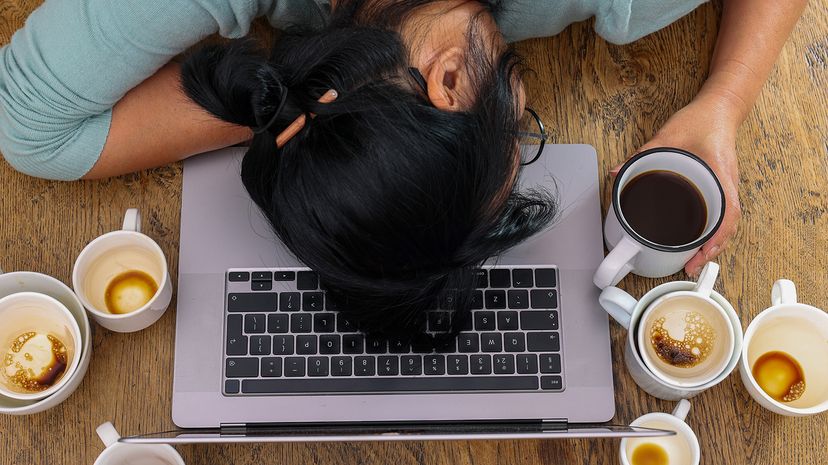
For some people, there's no such thing as too much caffeine. SrideeStudio / Shutterstock

What drink has the most caffeine? To answer, you first have to choose a measuring stick.

By caffeine per ounce, the winner is usually ultra-concentrated liquid shots such as DynaPep. By total amount of caffeine in a full serving, some extra-strong coffees can climb even higher than many energy drinks.

Advertisement

That matters because how much caffeine you actually consume depends on caffeine content, serving size, and how fast you drink it. An ounce of espresso is dense with caffeine, but a large cold brew or a giant cup of brewed coffee can deliver much more caffeine overall.

Caffeine is a stimulant found naturally in coffee beans, tea leaves, cocoa beans, guarana, and kola nuts, and manufacturers also add it to some soft drinks, supplements and foods. The FDA says 400 mg of caffeine a day is generally considered safe for healthy adults, but caffeine amounts vary a lot by drink, brands and brewing method.

Advertisement

DynaPep Wins on Caffeine Per Ounce

What drink has the most caffeine by concentration? DynaPep is often cited at 714.3 mg per fluid ounce, which is a staggering amount of caffeine in a tiny serving.

That kind of drink shows why caffeine per ounce can be misleading. A very small serving can carry more caffeine than a full cup of coffee, and the nutrition label may look less dramatic until you notice how concentrated it is.

Advertisement

This is one reason the FDA warns against highly concentrated caffeine products and notes that rapid intake around 1,200 mg can trigger toxic effects such as seizures.

Devil Mountain Black Label Is the Heavyweight Among Brewed Coffee

If you narrow the question to brewed coffee, Devil Mountain Co. Black Label is widely reported at 129.6 mg per ounce. That makes it the most extreme brewed coffee example in this roundup.

For comparison, an ordinary 8-ounce cup of coffee usually lands around 95 to 200 mg, with 100 mg often used as a handy average.

Advertisement

So a normal morning drink and a deliberately high-caffeine brewed coffee may look similar in the mug, but the amount of caffeine can be worlds apart.

Death Wish Coffee Delivers a Huge Total Serving

Some specific products stand out because the full serving is enormous. Death Wish coffee has been measured at about 472 mg of caffeine per 8-ounce cup, which exceeds the FDA's daily guideline for most adults in a single drink.

This is where coffee consumption can get tricky. People tend to think in terms of one cup, but a cup of coffee is not always eight ounces, and a serving is not always modest. A drink that tastes like regular coffee can still pack enough caffeine to raise the risk of insomnia, anxiety, headaches and other negative health consequences, especially in sensitive adults or people taking certain medications.

Advertisement

Starbucks Blonde Roast Shows How Big Chains Can Run High

Starbucks offers several beverages with serious caffeine amounts. A 16-ounce Grande Blonde Roast is listed at 360 mg, while a 20-ounce Venti brewed coffee reaches 415 mg. Even a 16-ounce Grande Caffe Americano comes in at 225 mg, and a Grande Vanilla Latte provides 170 mg.

Those numbers also help explain why lighter roasts sometimes surprise people. Lighter roasts can have slightly more caffeine than darker roasts because roasting burns off a bit of caffeine over time, even though taste often makes dark coffee seem stronger.

Advertisement

In other words, bold flavor does not always mean more caffeine, and less caffeine does not always taste milder.

Dunkin' Can Climb Close to the Daily Limit Too

Dunkin' Donuts Large Coffee with Turbo Shot is often listed at 395 mg of caffeine in a 20-ounce serving. Standard brewed coffee from Dunkin' is also fairly strong at roughly 15 mg per ounce, though that is still below some Starbucks servings and far below the extreme brewed coffee examples.

That's a good reminder that caffeine amounts vary widely across manufacturers, beans, brewing time, and cup size.

Advertisement

Espresso Drinks Pack a Lot Into a Small Cup

Espresso has the highest caffeine concentration per ounce among mainstream coffee drinks. A 1-ounce shot usually contains about 47 to 64 mg of caffeine, which is why drinks built from multiple shots can move up this list quickly.

Shock Coffee Triple Latte is often listed at 231 mg per 8 ounces, largely because it piles several shots into one drink. Biggby Red Eye reaches 274 mg in 16 ounces, and layered cafe drinks can stack espresso on top of brewed coffee.

Advertisement

Think of espresso like a compressed file: The cup is small, but the data inside is dense.

Caffeine blocks adenosine receptors in the brain. That helps boost alertness, keep you awake, and sharpen cognitive function at low doses—but the same nervous system effects can also bring jitters and sleep problems when you overdo it.

Advertisement

Frozen and Specialty Coffee Drinks Can Be Sneakily Strong

Panera's Frozen Mocha is often listed at 267 mg in 16 fluid ounces. These are the kinds of caffeinated beverages people may not file mentally alongside ultra-strong black coffee, even though the totals are substantial.

Sugar and chocolate can make that easy to miss. A mocha tastes more like dessert than a straight cup of brewed coffee, but it still counts toward your caffeine consumption.

Advertisement

That's true for chocolate lovers who reach for hot cocoa too. Cocoa-based drinks usually contain much less caffeine than coffee, but chocolate does contribute some caffeine, and manufacturers sometimes add extra caffeine to foods such as energy bars, chewing gum, and even ice cream.

Cold Brew Often Beats a Regular Cup

Cold brew deserves its own spot because it often lands between 100 and 200 mg of caffeine per 8 ounces, and some servings are much larger than that. Since cold brew is steeped for 12 to 24 hours, brewing time and bean-to-water ratio can push the final number well above a typical cup of coffee.

A larger cold brew serving can easily deliver more total caffeine than a 1-ounce espresso shot, even though espresso still wins on milligrams per ounce.

Advertisement

That difference comes down to serving size. If you order a giant cold brew from Starbucks or another cafe, the ounce count does a lot of the work.

Bean choice matters too. Robusta coffee beans contain roughly 2.2 to 2.7 percent caffeine, about double Arabica beans at roughly 1.2 to 1.5 percent.

So the caffeine content of coffee depends on factors such as the variety of beans, roast level, grind size, brewing time, and how much water moves through the grounds.

Advertisement

Energy Drinks Range From Mild to Wild

Energy drinks are all over the map. Some contain just 50 to 80 mg per can, while others can exceed 200 mg per serving and a few stretch past 500 mg depending on the brand and serving size.

Red Bull is a useful baseline at 80 mg in an 8.4-ounce can. But larger 12-ounce, 16-ounce and 24-ounce energy drinks can range from about 100 mg to more than 500 mg. Guarana is often part of the formula, and that matters because it is another natural caffeine source.

Advertisement

These beverages are marketed for energy levels, mood, and alertness, even though the scientific evidence also shows that too much caffeine can disturb sleep and increase anxiety.

Tea, Soda, and Hot Chocolate Usually Sit Lower

Tea usually falls below coffee, but it is hardly caffeine-free. An 8-ounce serving of black tea often contains 40 to 70 mg, green tea about 25 to 50 mg and white tea about 15 to 20 mg. A 16-ounce bottled iced tea may have around 42 mg. Yerba mate, a traditional drink from South America, also contains caffeine naturally along with other plant compounds.

Soda and cola usually rank lower still, with many 12-ounce soft drinks landing around 30 to 55 mg. That may sound modest, but caffeine from soda, tea, coffee, energy drinks, and chocolate all add up across the day.

Since 93 percent of Americans report consuming caffeine and about 75 percent of caffeine consumers have caffeine at least once a day, it is easy for total caffeine consumption to creep upward through several small beverages rather than one giant one.

How Caffeine Impacts the Human Body

Your body notices the total, not just the source. Caffeine is the most widely consumed psychostimulant in the world, and it works on the brain by blocking adenosine receptors, which helps support alertness and energy.

But caffeine has an average half-life of about 5 hours in healthy adults and can vary widely, and too much may interfere with sleep, raise stress hormones and leave some people shaky or restless.

According to MedlinePlus, side effects can include insomnia, headaches, and anxiety, and tolerance can make regular users feel they need more over time.

That is why the smartest question is not only what drink has the most caffeine, but also how much caffeine is in the serving you actually consumed. Check the nutrition label, watch for added caffeine in supplements or medications, and remember that children, pregnant people and those who are breastfeeding may need to be more careful.

The American College of Obstetricians and Gynecologists advises pregnant adults to stay below 200 mg per day, and ACOG says moderate caffeine intake while breastfeeding is usually about 200 mg per day as well.

We created this article in conjunction with AI technology, then made sure it was fact-checked and edited by a HowStuffWorks editor.

Advertisement

Loading...