
If you've ever stood in the produce aisle wondering, "What is a group of bananas called," you're in good company. The answer lies in how bananas grow and how we describe them at the store, on farms, and in everyday speech.
Advertisement
If you've ever stood in the produce aisle wondering, "What is a group of bananas called," you're in good company. The answer lies in how bananas grow and how we describe them at the store, on farms, and in everyday speech.
Advertisement
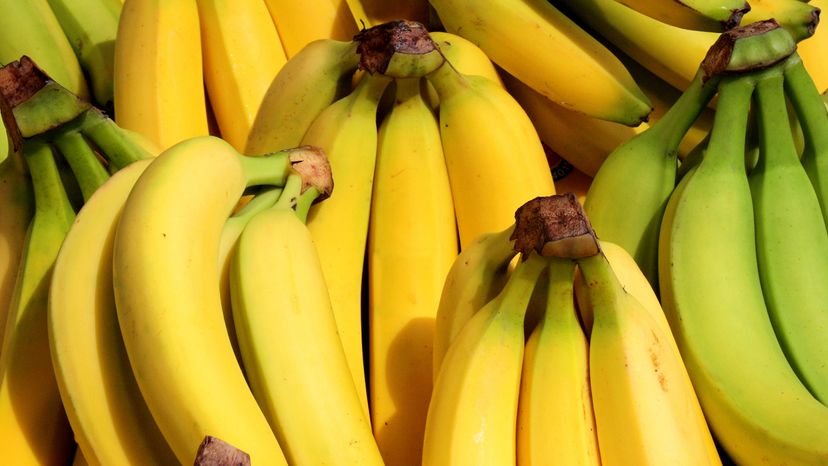
The most familiar term is a "bunch" of bananas. That’s what you think you see hanging from banana displays or sitting on your kitchen counter. It’s what people say they typically buy from the store—a small group of bananas still attached at the top stem.
But here’s the twist: Botanically, a bunch is much bigger than you might think.
Advertisement
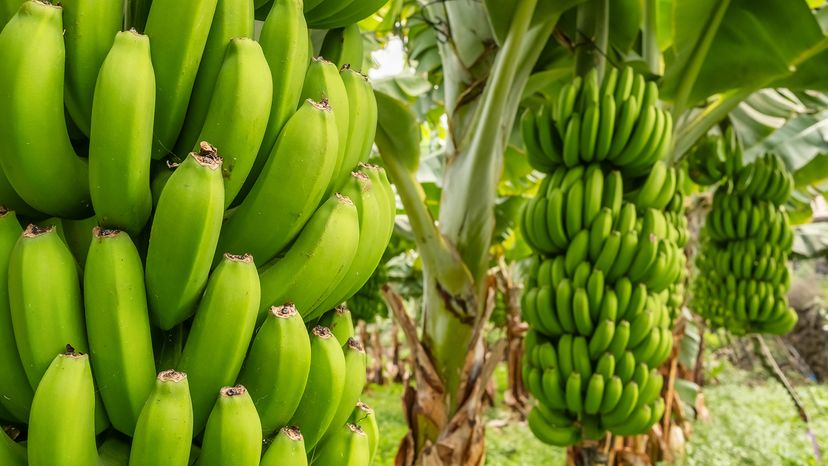
On a banana plant (which isn’t a tree, but a large herbaceous plant), bananas grow in a formation called a "bunch." Each bunch contains multiple "hands," and each hand consists of a line of bananas referred to as "fingers."
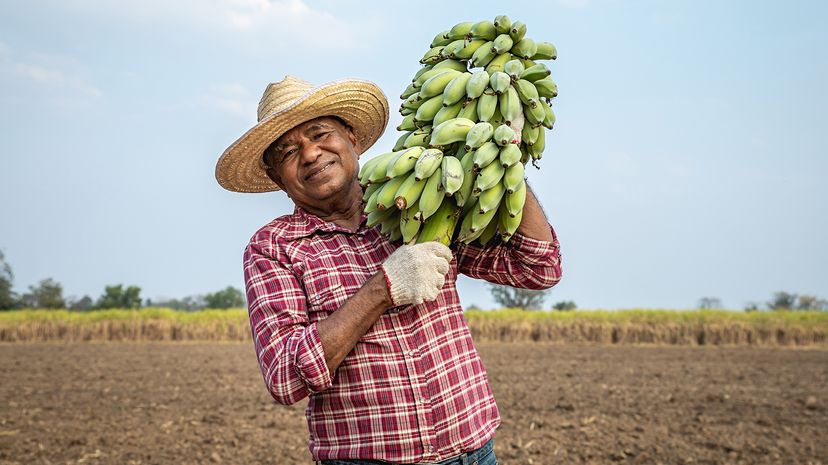
So, that cluster of bananas you buy at the store? Technically, it’s a hand. A full bunch—what grows on a single stem in banana plantations—can weigh up to 110 lb (50 kg) and contain several hands.
Advertisement
Bananas grow upward from the plant in rows. Each row, or hand, forms as part of the bunch, growing in layers along the central stem. Farmers harvest the full bunch, then divide it into smaller groups (hands) before sending them off to stores.
This structure helps explain why bananas at the store seem so uniform. The smaller groupings (hands) are ideal for retail because they’re easier to carry, store and sell.
Advertisement
Using the right terms isn’t just about sounding smart at trivia night. It helps people understand how bananas are grown, sold, and consumed. Knowing that your snack is a finger from a hand from a bunch connects you to the long process of banana farming.
It also highlights the sheer quantity one banana plant can produce. A single bunch can hold over 100 individual bananas, depending on the variety and growing conditions.
Advertisement
So next time you grab a bunch of bananas, you’ll know there’s a whole set of terms hiding behind that everyday fruit.
We created this article in conjunction with AI technology, then made sure it was fact-checked and edited by a HowStuffWorks editor.
Advertisement
Please copy/paste the following text to properly cite this HowStuffWorks.com article:
Advertisement