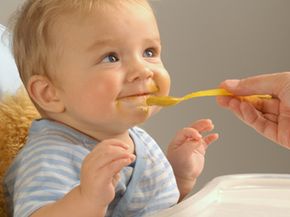
Congratulations! Your baby is ready to start eating solid foods. Now what?
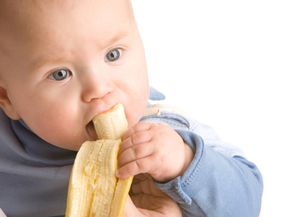
First of all, keep in mind that we're talking about minute amounts of food. Beginning at four to six months of age, most infants get introduced to solid food with a spoonful or two of iron-fortified rice cereal mixed with breast milk or water. This slow, gentle approach doesn't affect your child's established feeding routine much at all in the beginning. In a few weeks, after your baby learns to swallow and begins to express interest in foods, you'll gradually add a few ounces of pureed vegetables, fruits and meats to his or her diet.
Advertisement
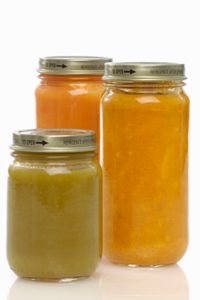
You could buy jars of baby food off the grocery store shelf to meet this need. But making homemade baby food is almost as easy as boiling water. With just a little effort, you can make fresh food for your baby alongside meals you prepare for the rest of your family. Among other benefits, making baby food yourself saves money, ensures freshness and allows you to control the ingredients. You'll also be able to alter the texture of food as your growing child gains eating experience, learns to chew and grows teeth.
In this article, we'll explore the nutritional needs of infants, tell you what foods they should and shouldn't eat and guide you through the process of preparing homemade baby food for your little one.
Advertisement