Banned Foods, 4-7

Here is the remainder of our list of banned foods, which includes sassafras and ortolan.

4. Casu Marzu Maggot Cheese

Casu marzu, which means "rotting cheese" in Sardinian, is not just an aged and very smelly cheese, it is an illegal commodity in many places. Casu marzu is a runny white cheese made by injecting Pecorino Sardo cheese with cheese-eating larvae that measure about one-half inch long.

Tradition calls for this cheese to be eaten with the maggots running through it. Sardinians claim these critters make the cheese creamier and that it's absolutely delicious. This cheese is widely, but not openly, eaten in Sardinia, even though the ban on it is only enforced sporadically.

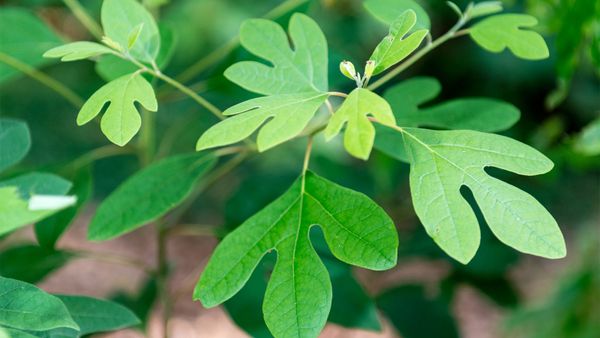
5. Sassafras


Now recognized by the U.S. Department of Agriculture as a potential carcinogen, sassafras is the dried root bark of the sassafras tree native to eastern North America. Throughout history, sassafras has been used for making tea, as a fragrance for soap, a painkiller, an insect repellent, and a seasoning and thickener for many Creole soups and stews.

But the best-known use of sassafras lies in the creation of root beer, which owes its characteristic flavor to sassafras extract. In 1960, the FDA banned the ingredient saffrole -- found in sassafras oil -- for use as an additive because in several experiments massive doses of sassafras oil were found to induce liver cancer in rats. It should come as no surprise that chemicals and artificial flavors are used to flavor root beer today.

6. Blackened Redfish

In 1980, New Orleans chef Paul Prudhomme publicized his recipe for blackened redfish, which is still very popular today. The recipe was so popular that it sparked a blackened redfish craze in the 1980s, which so severely threatened the redfish stock that the Commerce Department had to step in and close down fisheries in July 1986.

In Florida, strict conservation measures were enforced for two years, and to this day, the state requires that anglers keep only one redfish per day and release any that do not fall into the 18- to 27-inch limit, handling their catch as little as possible to assure that the fish survives upon release.

7. Ortolan

In the same cruel fashion as foie gras, this tiny bird has little to sing about, as historically it was horribly tortured before being eaten as a gastronomic treat by the aristocracy of France.

Its fate was often to be captured, have its eyes poked out, and be put in a small cage, then force-fed until it grew to four times its normal size. Next the poor bird would be drowned in brandy, roasted, and eaten whole.

Now considered a protected species in France, the ortolan is also in decline in several other European countries. Nevertheless, hunters still kill about 50,000 birds per year even though it is illegal to sell them.

Top 5 Most Intriguing Lists
While you can browse through hundreds of fascinating lists at Extraordinary Lists, here are 5 lists that we feel are certain to amaze and entertain:

CONTRIBUTING WRITERS:

Helen Davies, Marjorie Dorfman, Mary Fons, Deborah Hawkins, Martin Hintz, Linnea Lundgren, David Priess, Julia Clark Robinson, Paul Seaburn, Heidi Stevens, and Steve Theunissen