
How To Store Garlic
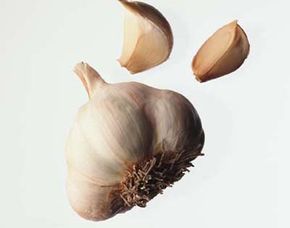
Whether you buy it from the store or bring it in from your garden, you'll want to make the most of your garlic bulbs. Storing it is easy, although there are a few tips to keep in mind, particularly for storing garlic after you've broken open the bulb. And when you're ready to use it, you'll want to know how to prepare it to maximize its health benefits.
Storing your garlic in favorable conditions helps to maintain its healing properties and flavor. Properly stored garlic can last for months, ensuring that you always have some on hand for the next recipe.
Advertisement
"Young wet," or "new season," garlic is an immature garlic that is harvested in early summer. Immature garlic needs to be stored in the refrigerator and used within a week or so. It has a fresh, mild flavor and can substitute for onions and leeks or lend a subtle garlic flavor to a recipe. Some cooks consider this the best, most flavorful garlic. As an added bonus, it may be more easily digested than dry garlic. Experiment with some of this "fresh" garlic and see how you like it.
You'll need to dry your homegrown garlic before you store it for a prolonged time. After harvesting, carefully wash the bulb and roots. Let the garlic dry in a shady, well-ventilated, moisture-free area for a week or more. You can hang the freshly harvested bulbs from their stalks if you like.
Thoroughly drying garlic bulbs develops and concentrates their flavor, so don't rush the process. Once dry, trim or break off the roots and rub off the outer layer of parchment. If you've grown softneck garlic, consider braiding it for an attractive storage option.
Whole bulbs of store-bought garlic will keep for several months or more when stored at room temperature in a dry, dark place that has ample air circulation. Keep in mind, however, that garlic's lifetime decreases once you start removing cloves from the bulb.
Storing garlic uncovered, such as in a wire-mesh basket inside your cupboard or beneath a small overturned clay pot, is ideal.
You can also store garlic in a paper bag, egg carton, or mesh bag. Just be sure there is plenty of dry air and little light to inhibit sprouting. To avoid mold, do not refrigerate or store garlic in plastic bags.
If you've prepared more garlic than you need for a particular recipe, you can store minced garlic in the refrigerator in an air-tight container. Although the most active sulfur compound diminishes within a few hours, refrigeration will slightly slow the process. Use refrigerated garlic as soon as possible. Some people are tempted to freeze garlic, but this is not recommended because its texture changes, as does its flavor.
Garlic in the Kitchen
The first thing to remember about cooking with garlic is the difference between bulbs and cloves. The average teardrop-shape garlic bulb is about two inches wide and two inches tall. It typically contains about 10 to 20 individual cloves about the size of your thumbnail. Most recipes call for one or more cloves, not bulbs.
To separate the individual cloves from the bulb, place the bulb on a flat surface. Use the heel of your hand to apply firm but gentle pressure at an angle. The parchment layers will separate, allowing you to carefully remove as many cloves as you need.
Then, tenderly remove the thin covering on each individual clove. Most people reach for the plumpest cloves, but the smaller cloves have a more intense flavor.
Because one of garlic's most beneficial ingredients, allicin, is partially destroyed by cooking, you'll get the greatest health boost if you use it raw or only lightly cooked when you can. However, cooking garlic forms other healthy sulfur compounds, so you still receive benefits when you cook it.
Plan ahead so you can cut, crush, or chop your garlic and let it sit for 15 minutes or more before using it to activate the enzymes that turn alliin into allicin.