
Healthy Living
Nutrition couldn't be more important in today's society as our collective waistline continues to expand. Learn the secrets to cooking healthy and knowing how to make good-tasting food without all the fat and cholesterol.
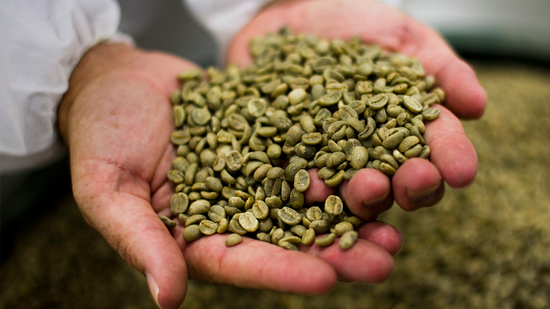
Want a Perfect Cuppa Joe? Roast Your Own Coffee Beans
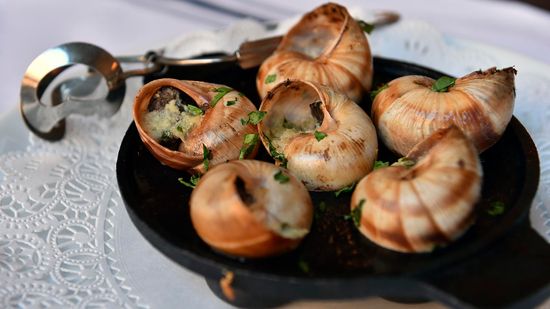
How Escargot Evolved From Snail Snack to Treat for the Elite
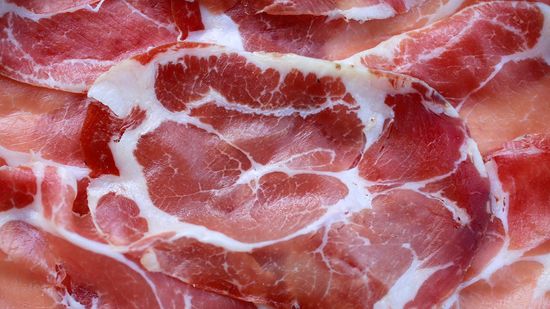
Capicola: The Italian Dried Meat Tony Soprano Called 'Gabagool'

Spread Holiday Cheer With a Good Mulled Beer
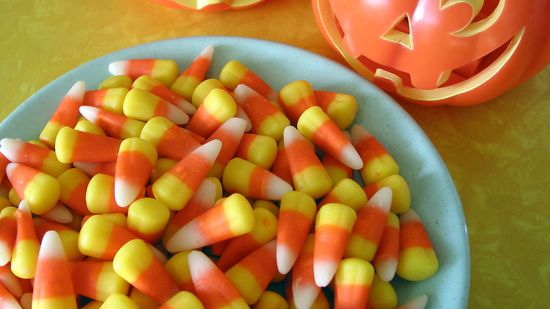
What Is Candy Corn and How Is It Made?

Why Restaurants Are So Loud These Days
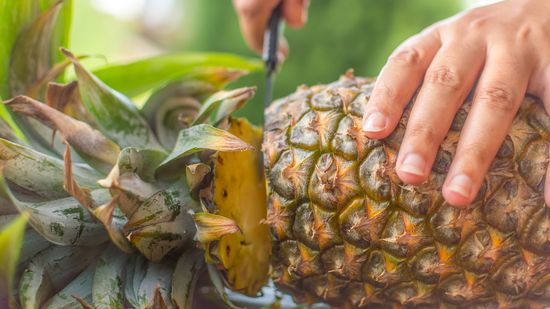
How to Cut a Pineapple in 4 Easy Steps
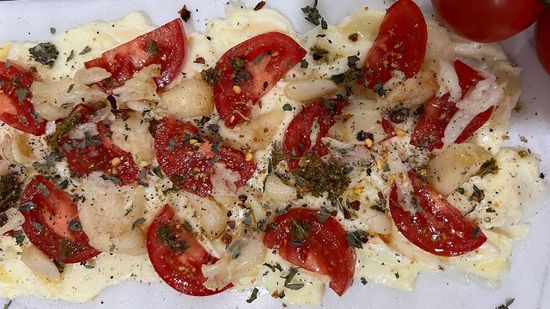
Butter Boards Are Creaming Charcuterie Spreads This Season
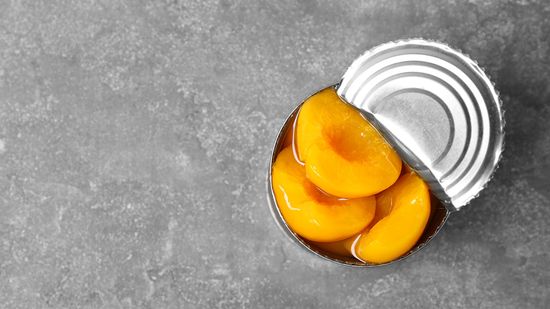
5 Ways to Open a Can Without a Can Opener
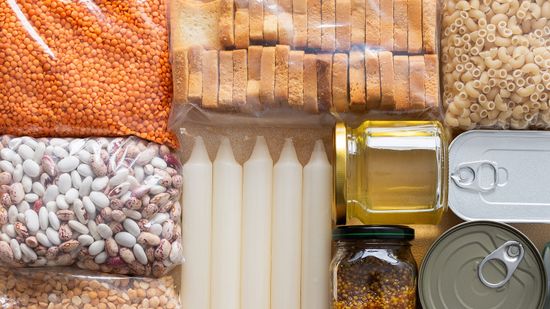
The Longest-lasting Food Items Aren't All Dry Goods
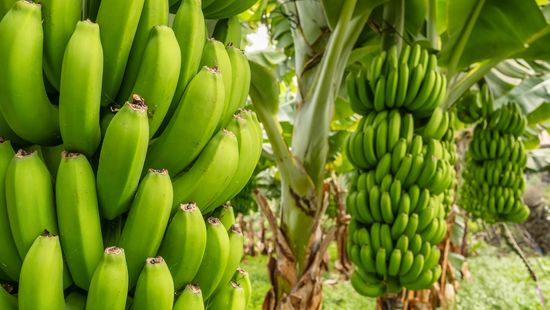
What Is a Group of Bananas Called? A Bunch Isn't What You Think
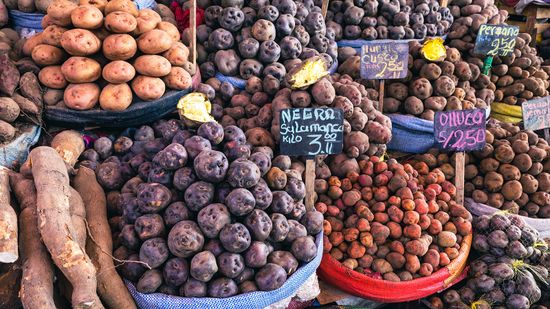
Where Do Potatoes Originate From? Not Ireland
Learn More
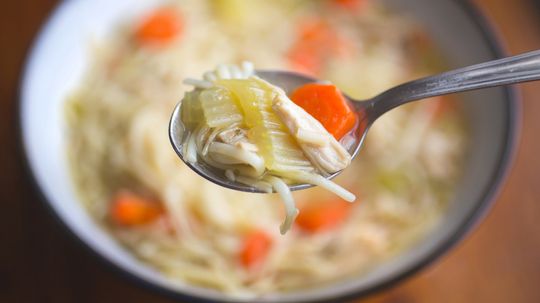
Preparing a bowl of chicken soup for a loved one when they're sick has been a common practice throughout the world for centuries. But does it help you get well?
By Colby Teeman
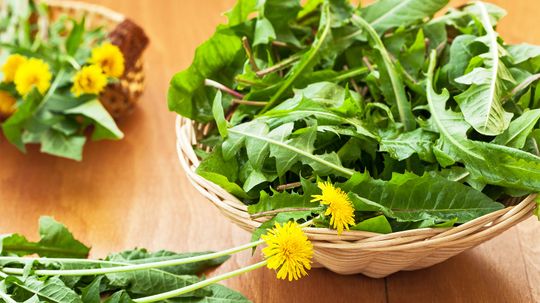
Foraging is the practice of searching your native environment for edibles - and anybody can do it. Here are five commonly found foraging favorites.
By Kate Morgan
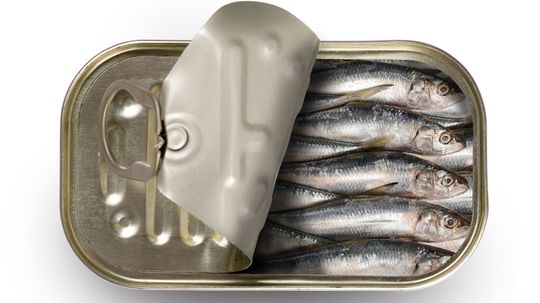
Sardines are a great source of protein, vitamins and healthy omega-3 fatty acids, while also containing almost no mercury, so start loading up on these power-packed little swimmers.
By Lauren David
Advertisement
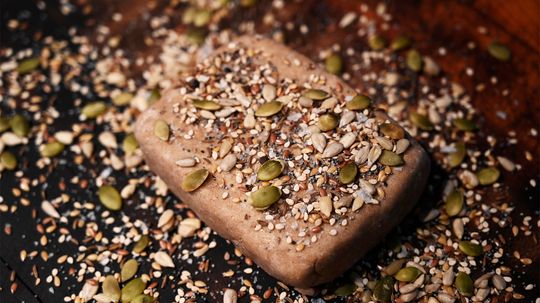
Seeds are nutritional powerhouses that are easy to incorporate into almost any meal. Check out these 7 seed varieties that we all should totally be eating.
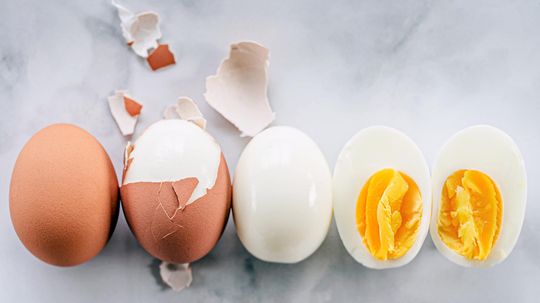
Think you can't have cheese or steak to eat a healthy diet? We're here to tell say you can. With some stipulations, of course.
By Alia Hoyt
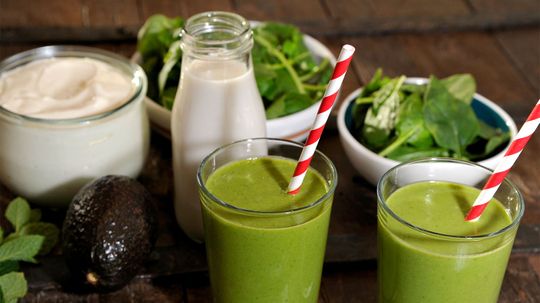
Global retail sales of protein supplement products reached a staggering $18.9 billion in 2020, but is all this extra protein in our diets really necessary?
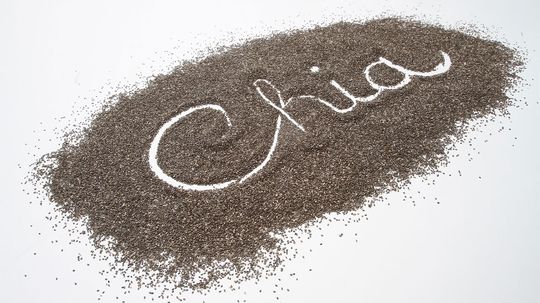
They can be stored for up to five years before they lose their potency, and they are a versatile nutritional powerhouse.
Advertisement
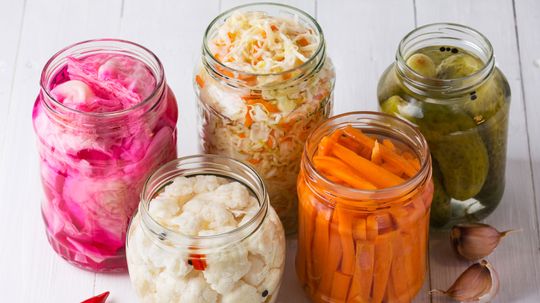
Our ancestors survived long winters because of fermented foods, but what health benefits do they have for modern humans?
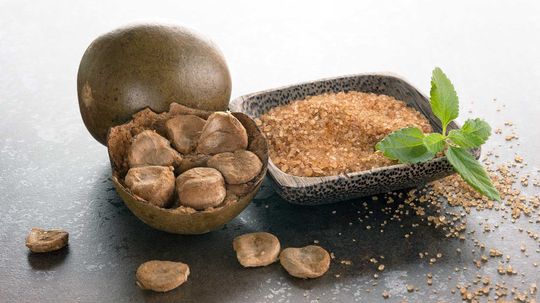
China banned export of the fruit in 2004, so you'll likely never try it fresh. But you've probably already had versions of its extract and didn't even know it.
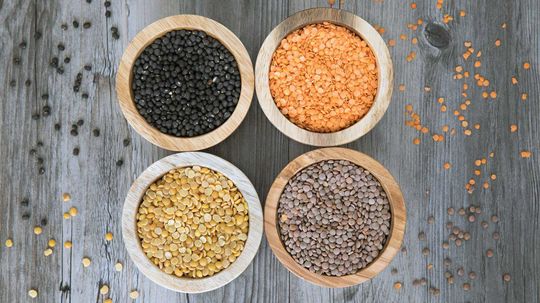
These colorful legumes pack a powerful punch when it comes to nutrition. Plus they're versatile, easy to cook and taste great.
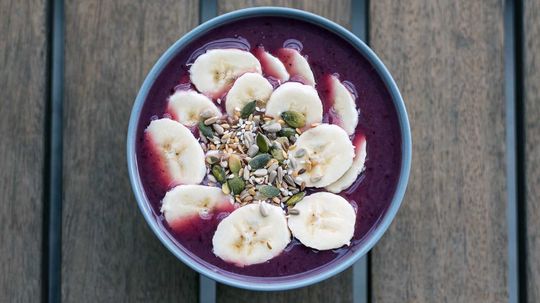
The acai berry hit the healthy culinary scene hard and for good reason. These berries are packed with nutrients and low in calories. So why haven't you tried them?
Advertisement
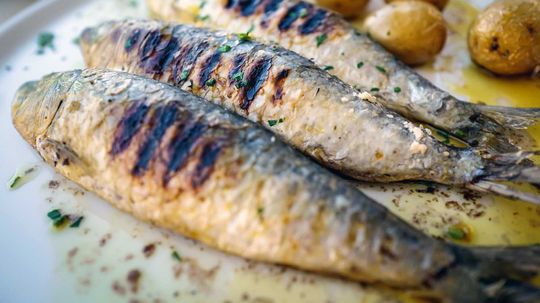
If you're thinking of giving up meat, but can't stand the thought of never eating seafood again, you might want to consider the pescatarian diet.
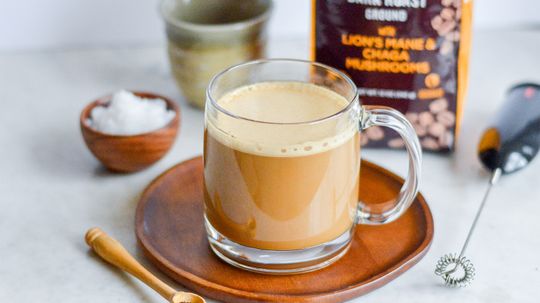
Chaga, cordyceps and lion's mane - the names are mysterious and magical, but can mushroom coffee really give you a health boost?
By Jeremy Glass

During 'Dry January,' you give up alcohol for the month in order to detox and start the new year off right. But does it typically lead to binge drinking in February?
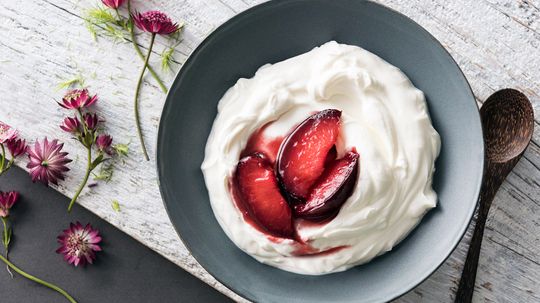
Skyr is high in protein, low in sugar and tastes better than many grocery store yogurts on the market today.
By Jeremy Glass
Advertisement

A wave of consumers have switched from diet soda to seltzer water in an effort to stay away from artificial sweeteners. But can consuming a lot of fizzy drinks (even if they're unsweetened) do harm?
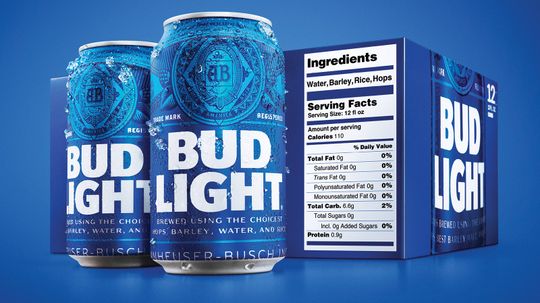
Alcohol producers in the U.S. aren't legally required to include nutritional labeling on its products the same way soft drinks and other food products are. For now, that is.
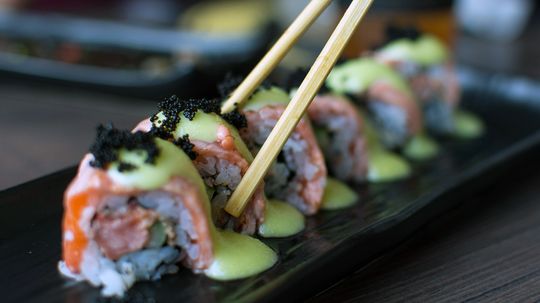
Fresh fish can pack a punch in the good nutrients department. But when it comes to sushi, that punch can be good or bad, and it all depends on what you order.
By Shaun Chavis
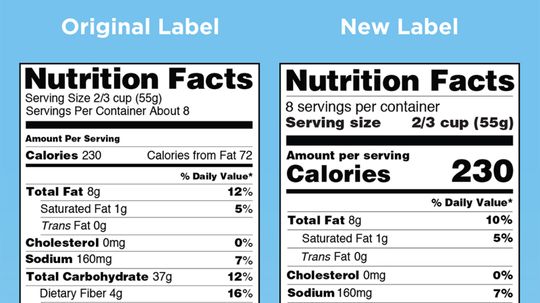
The new labels, required to be in place by 2020, will help consumers make better food choices.
Advertisement
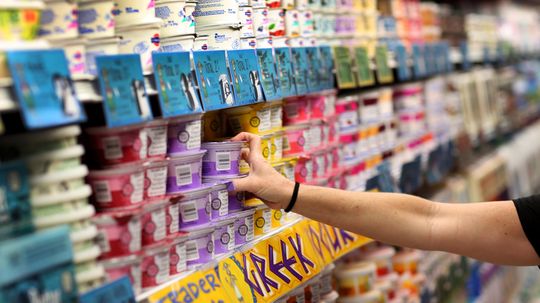
Your favorite yogurt could have more sugar than a 12-ounce can of soda. So, is it even healthy?
By Shaun Chavis
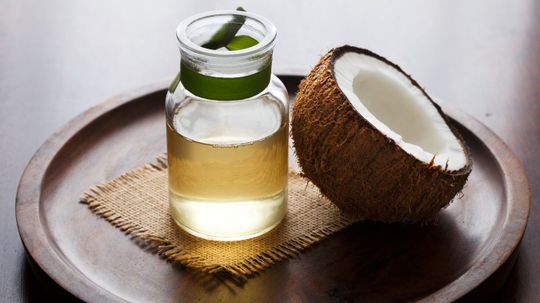
Coconut oil has either been lauded as a superfood that can cure a multitude of things or a fat-monster best avoided like the plague. What's the truth?
By Alia Hoyt

The number of Americans living in food deserts has decreased, but there's still a long way to go before everyone has access to healthy food.
By Shaun Chavis

Unless it's fresh-squeezed (and even then) juice is loaded with sugar, often as much as a can of Coca-Cola. So why do we still tout it as healthy?
By Shaun Chavis
Advertisement
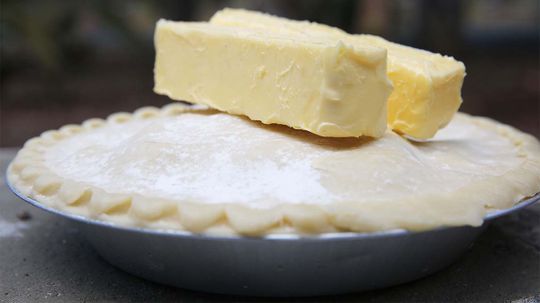
The U.S. government ban on artificial trans fats went into effect on June 18, 2018, but includes a one-year extension for certain additives.
By Shaun Chavis
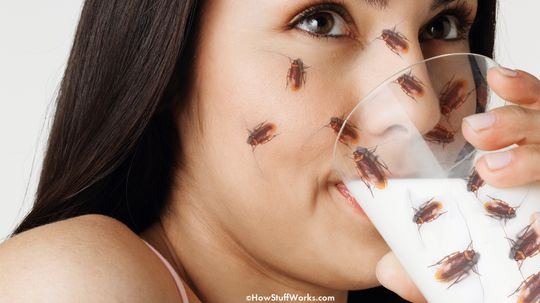
Yep - cockroach milk is being touted in some circles as the next non-dairy milk substitute. But, seriously, OMG.
By Carrie Tatro